The holdback is not a penalty. It is the cash that finishes the building after the land is paid for.
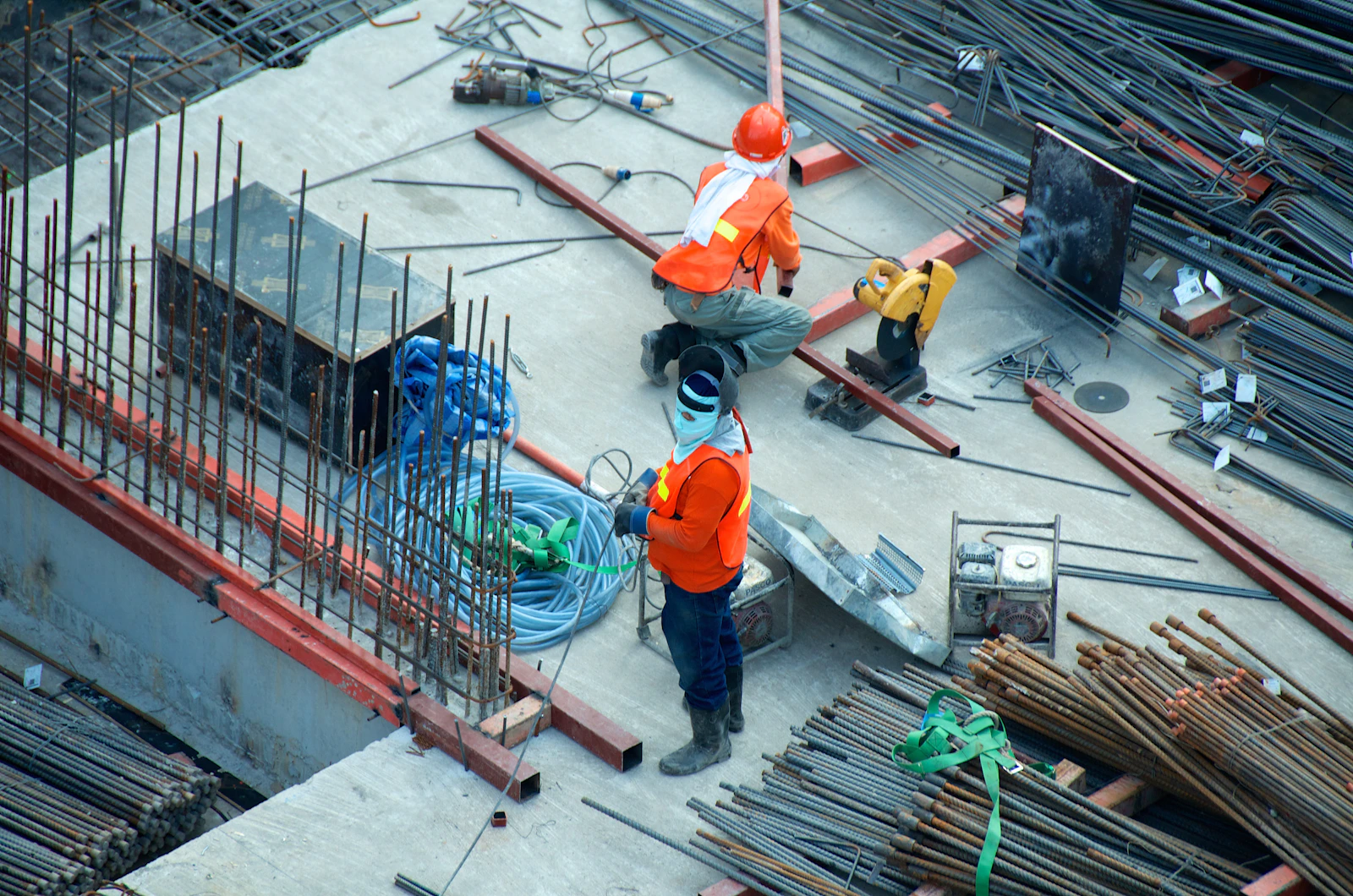
On a ground-up file we split the loan in two: a land advance at close, and a construction holdback that only moves when an inspector signs work in place. The holdback is the hard-cost budget plus a 10% contingency, minus whatever the sponsor is putting in as cash to complete.
If the budget is $1.4 million and the sponsor is contributing $280,000 of construction equity, the holdback is $1.12 million. We do not “front” the sponsor’s piece. Draws are reimbursement after the work is in the ground, not a draw against a calendar.
Inspections, not invoices
A paid invoice is not evidence the trusses are set. We use a third-party inspector in each metro. Typical cycle is five to seven business days from request to wire. If the inspector sees 62% complete and the draw request says 80%, we fund 62%.
Interest reserve sits outside the holdback. It is sized to the construction schedule plus 90 days, because schedules slip. If a sponsor wants a thinner reserve to juice LTC, that is usually a no. A dry reserve is how a vertical job becomes a special servicing file.
Send the budget, the GC contract, and the last three projects the GC finished. If those three match the proposed product, we can issue a construction term sheet in about the same window as a bridge file — once the plans are stamped.